Leonor and I watched and recorded from our dock on Lake Huntley in Lake Placid, Florida. Partly cloudy night but still exciting!
Turn the sound on and listen to Leonor’s commentary!
Way to go @elonmusk!
#SpaceX
#FalconHeavy
#space

Leonor and I watched and recorded from our dock on Lake Huntley in Lake Placid, Florida. Partly cloudy night but still exciting!
Turn the sound on and listen to Leonor’s commentary!
Way to go @elonmusk!
#SpaceX
#FalconHeavy
#space
By R. Michael Brown, Freelance Writer
#Cycling rest day for me. From my days as a coach at the U.S. Olympic Training Center in Colorado Springs… the most important part of training is rest.
I can really feel my legs and the soreness after 6 straight days of cycling. I’m just spinning, not pushing, but the cumulative days add up.
Since it’s raining all day here in Lake Placid, it’s a perfect day to rest.
Will still do a rehab upper body workout to keep my shoulder replacement limber and getting stronger.
What are you doing today?
By R. Michael Brown, Freelance Writer.

Your mobile device reception is getting worse. In an era where smartphones, and Internet of Things (IoT) devices, are extensions of our daily lives, the invisible infrastructure supporting their connectivity—cellphone spectrum—is facing a critical shortage. The exponential growth in wireless devices and our insatiable demand for faster, more reliable connections has led to a scarcity of available spectrum. This shortage has important implications for the future of telecommunications.
To understand why there’s no more cellphone spectrum available, we must examine the complexities of spectrum allocation, usage, and the challenges faced by the telecommunications industry. But first, see the results of a J.D. Power user report completed this year.
On average, between April and June of 2023, U.S. cellphone users reported that out of every 100 times they tried to use data, text, or make a call, they had problems 11 times. That’s up from about nine problems per 100 connections in most of 2020 and 2021.
Reason: Demand Explosion – Finite Spectrum – The Future….
For Bethany Baptiste, Molly X Chang, KM Enright, Thea Guanzon, Danielle L Jensen, Akure Phénix, RM Virtues and Frances White, it must have been brutal reading. All received scathing reviews on Goodreads, an online platform that reputedly has the power to make or break new authors.

But the verdicts were not delivered by an esteemed literary critic. They were the work of Cait Corrain, a debut author who used fake accounts to “review bomb” her perceived rivals. The literary scandal led to Corrain posting an apology, being dropped by her agent and having her book deal cancelled.
It also uncovered deeper questions about Goodreads, arguably the most popular site on which readers post book reviews, and its outsized impact on the publishing industry. Its members had produced 26m book reviews and 300m ratings over the past year, the site reported in October. But for some authors, it has become a toxic work environment that can sink a book before it is even published.

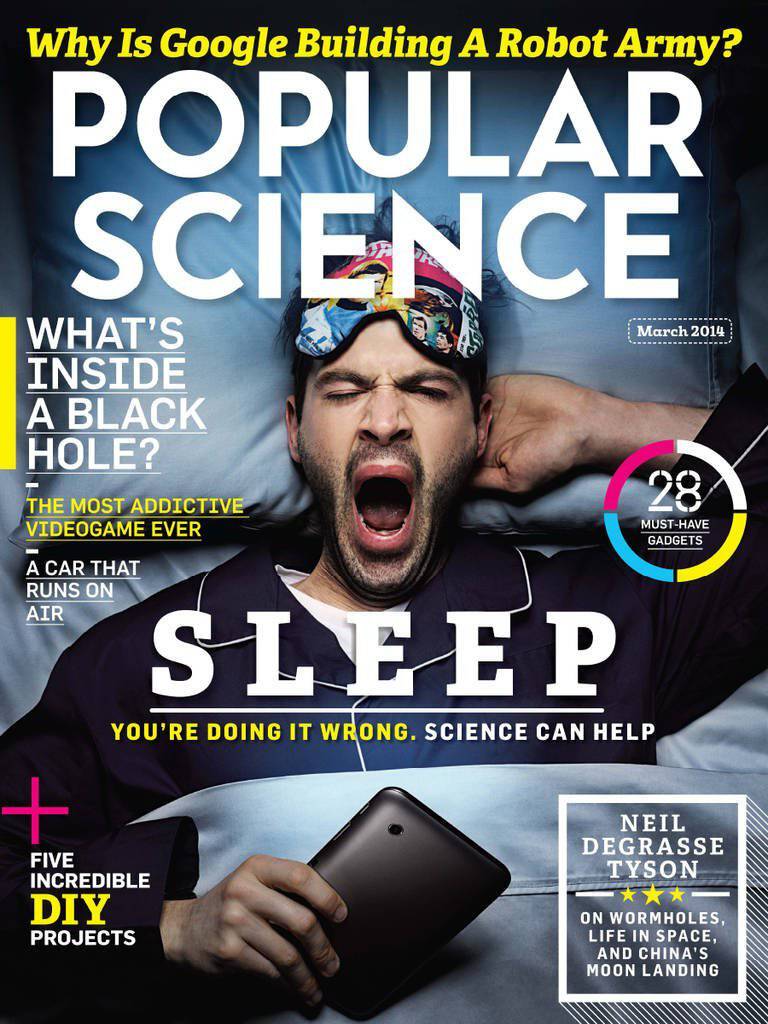
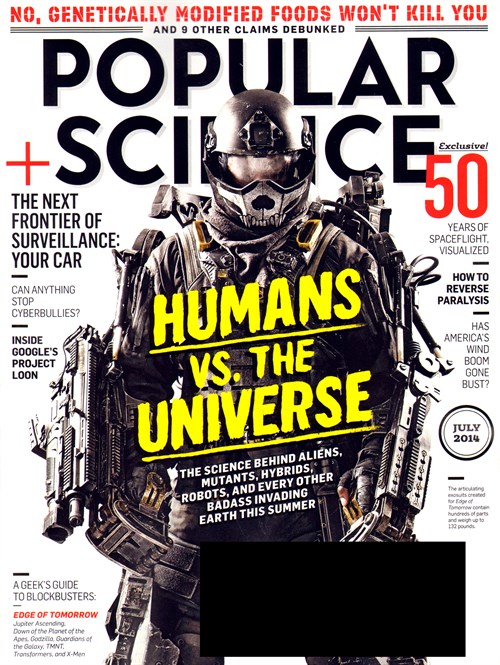
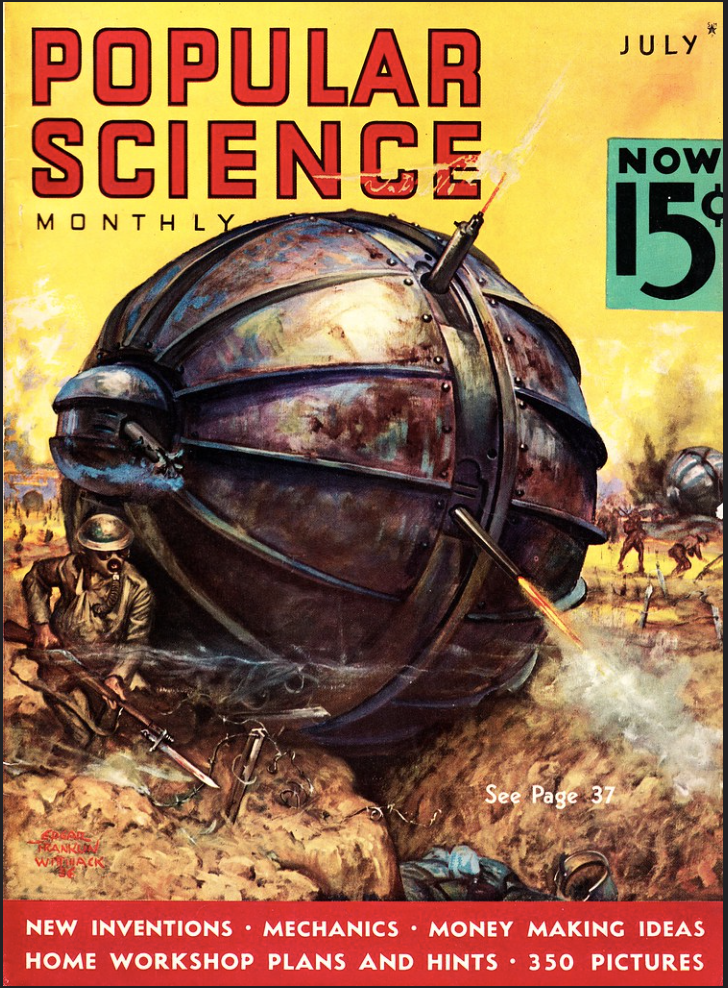
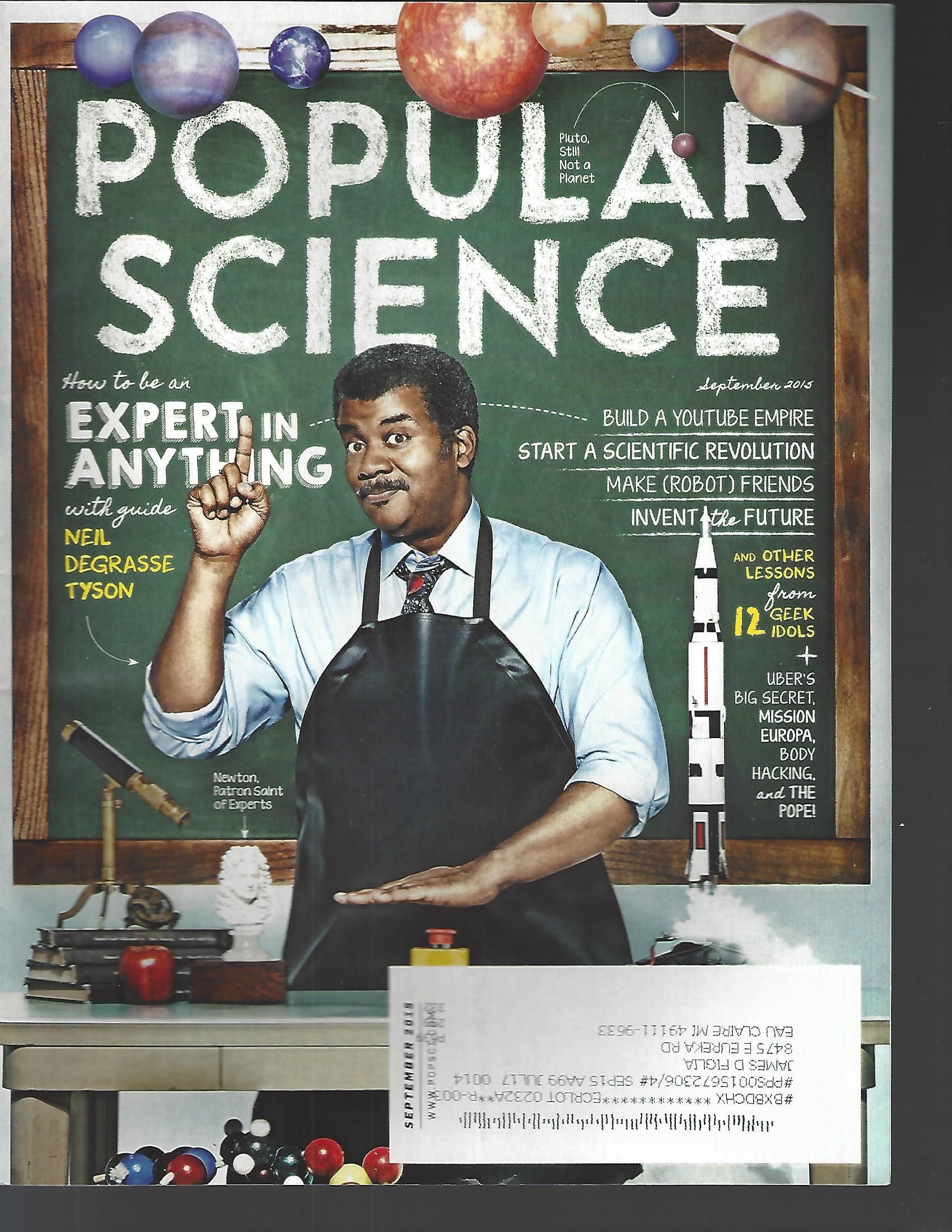
Popular Science, the magazine that popularized many wonky subjects for readers, publishing such authors as Charles Darwin in its 151 years, is no more.
The periodical has stopped publishing its online magazine, its print edition having been halted three years ago.
I was a subscriber and reader throughout my younger years. It spurred my interest in science and technology and encouraged me to become a professional writer that focuses on simple and interesting explanations and how science and technology impacts folks in everyday life. It’s a sad day. A spokesperson said that the market has changed to video. It’s what I’ve been telling organizations for years: If you’re not in the video and broadcasting business, you’ll be left behind. – R. Michael Brown




 Brownie Bytes