Throw Back Thursday #BicycleRacing during the Lions Clubs International Ride for the Blind race in Boca Raton. Circa 1977 at Florida Atlantic University.
R. Michael Brown leading the charity race at Florida Atlantic University in 1977.Victor Beltran finished 2nd in 1977 but went on to win in 1978 with a new course record of 115 miles. Press Photo: Atlantic Sun
I won it by completing 115 laps (about 103.5 miles) in 4 hours, setting a course record. I was racing for Florida Freewheelers Club out of Orlando at the time.
I got folks to pledge donations per mile before the event. Most said a dime or a nickel per mile. One of my professors told me a $1 per mile thinking I would go maybe 20 miles or so. When I told him I did 103 miles, he backed out of the deal and gave me $40…. and grumbled about it.
Grew the beard because I had started working as an ocean lifeguard for the City of Boca Raton Beach Patrol and the constant wind, salt, and sun was tough on your face.
Many of these cameras go up and down all the time. I try and keep up with it but clients come first!
The Ponce Inlet cams in south Daytona, across the inlet from north New Smyrna, took a beating and are still down after Hurricane Ian from two months ago. The beaches in that area are still blasted and heavy construction is ongoing to the north.
Sebastian Inlet cam is up but the north jetty is still hammered.
The Cocoa Beach Pier webcam has been down for a couple of weeks. I check it everyday to see if it’s back up.
If you know of other helpful live or daily updated camera shots on the east coast of Florida, let me know at Mike@rmichaelbrown.com.
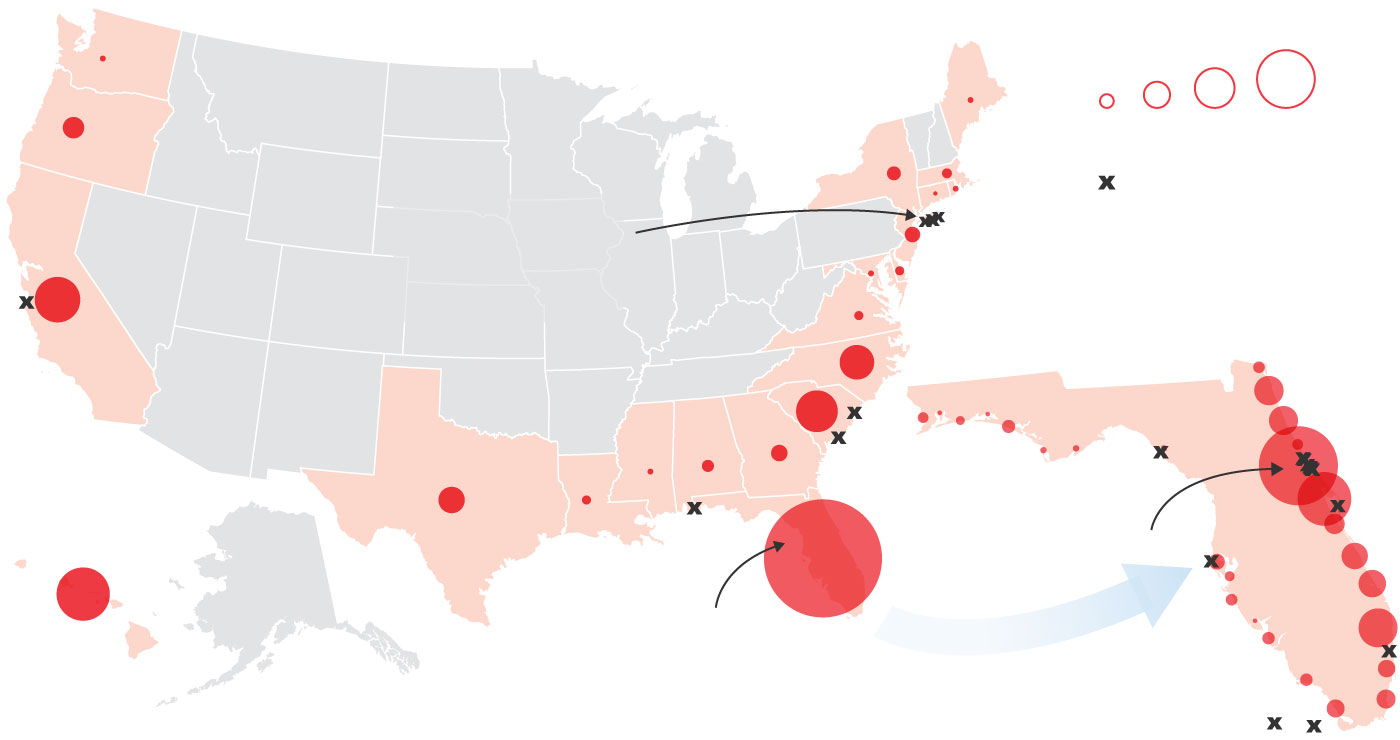
Unprovoked bites, while rare, have been raising the alarm for some beachgoers this summer
Sources: Florida Museum of Natural History (1837-2021); trackingsharks.com (2022 data from media reports)
Brownie Bytes Take: As a surfer with 40 years experience in Florida, New Smyrna Beach has the most shark bites and sharks in the surfline than anywhere else. I’ve been bumped, chased, and seen others bitten there in 3 ft. of water right along the shore. Even though the blacktip shark migration during the late Fall and Winter happens in S. Florida with 10,000 sharks per mile per day cruising near the coast, they rarely bother anyone.
– R. Michael Brown
News of shark attacks off the coast of New York’s Long Island this summer raised the alarm for many beachgoers, surfers and divers. Shark bites, although rare compared with the number of people who get into the ocean, still happen in coastal areas of the U.S.
According to Tracking Sharks, a website that specializes in reporting shark attacks and bites across the globe, there have been 28 shark attacks in the U.S. in 2022 as of Aug. 1. Two of the attacks were provoked and none was fatal.
There were 47 confirmed cases in 2021, returning to prepandemic levels, and 33 in 2020.
Unprovoked shark bites are the most common incidents, according to the Florida Museum of Natural History’s International Shark Attack Files, a global compilation of all known shark attacks. Florida leads the U.S. in shark attacks, followed by Hawaii, California and South Carolina.
The most frequent type of unprovoked bites are so-called “hit and run” attacks, the museum says. These normally happen in the surf zones as coastal shark species follow schools of fish close to shore. There, sharks can encounter swimmers and surfers—and sometimes confuse people with their usual prey. The sharks don’t return after inflicting a single bite or slash wound.
Shark attacks and deaths from shark bites are extremely rare, experts say. The yearly average of unprovoked shark bites globally is 70, resulting in about 5 deaths, data from the Florida Museum of Natural History shows.



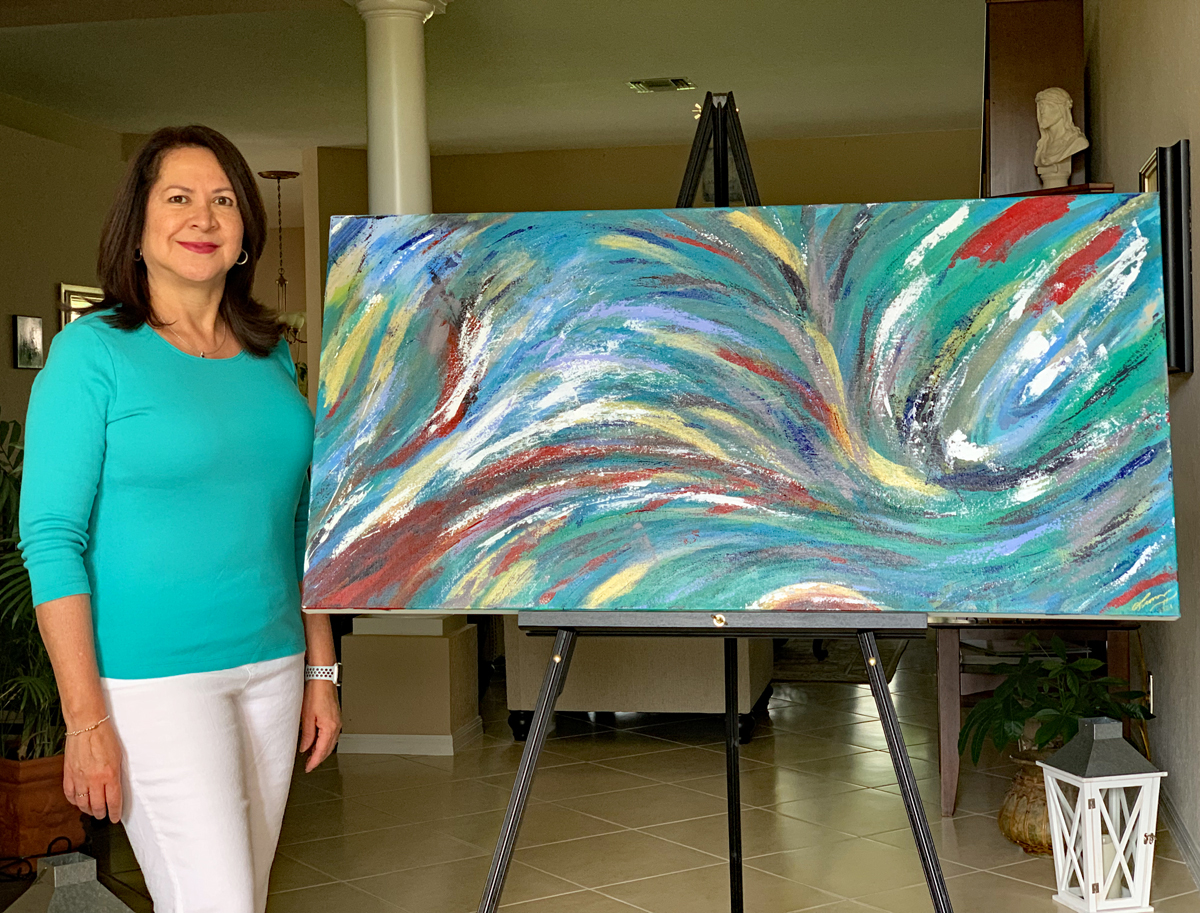

 Photography By: Leonor Maya Martinez
 Brownie Bytes