Hurricane Erin strengthens into a Category 5, as it moves north in the Atlantic and experts warn of potential dangerous (and possibly) epic waves.
Swell-chasers and wary coastal property owners continue to monitor the trajectory, and strength of Hurricane Erin, as it continues toward the east coast.
Windy Peak South Florida Surf Forecast for Thursday, 8/21 at 7 AM
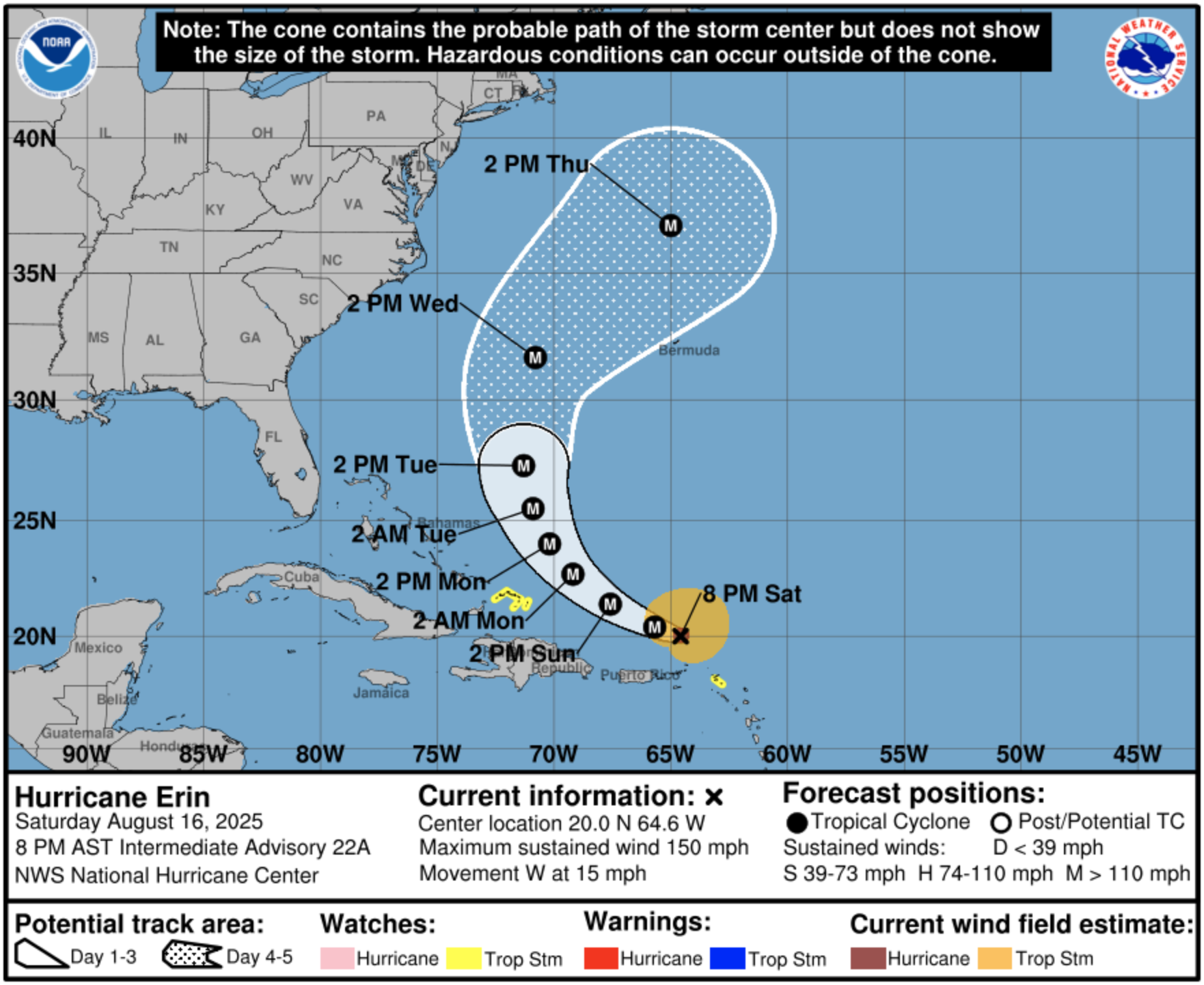
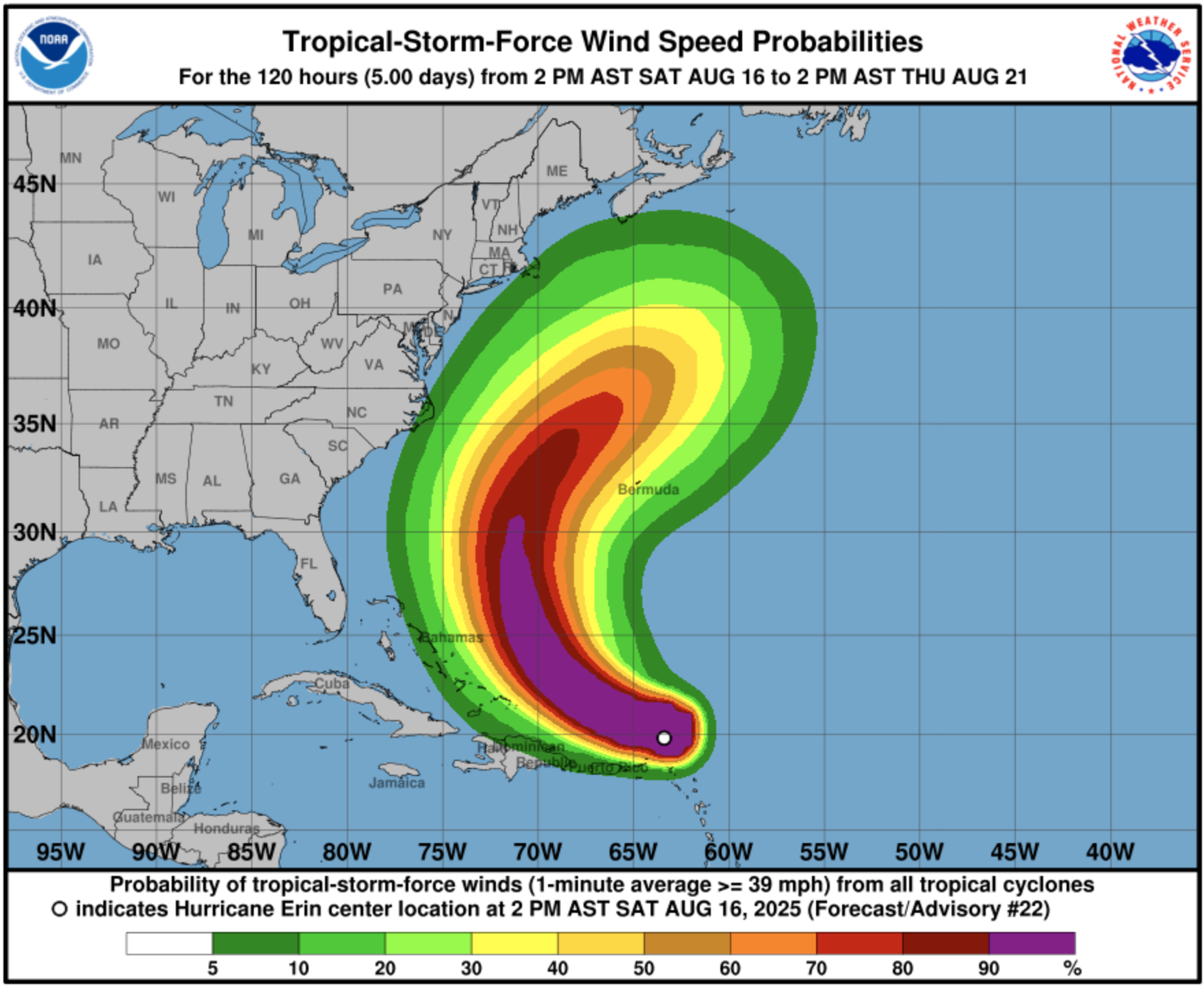
The storm is currently looming over the Caribbean, with a trajectory moving northward, with a path that curves away from the eastern seaboard, away from landfall, yet still sending stormy conditions (and potentially sizable swell) to the east coast.
Hurricane Erin 8-16-2025 8PM Forecast
AccuWeather Lead Hurricane Expert Alex DaSilva, called the conditions “near perfect,” when it comes to the storm strengthening on its path.
“Erin is forecast to slowly curve to the north as it continues to strengthen over the weekend. At this time, the storm is forecast to remain hundreds of miles off the East Coast,” DaSilva said. When it comes to the waves, he continued:
“Beaches along the entire East Coast, from Florida to New England and Atlantic Canada, will likely experience rough surf and dangerous rip currents as Erin tracks north and eventually northeast.”
Here’s the latest from the reliable forecaster Bryan Norcross:
Norcross is known for his matter-of-fact content and delivery without all the hype from others that is intended to scare folks and get clicks.
Check on the current surf conditions with our Florida East Coast Beach Webcams here on BrownieBytes.net
Latest: Klyuchevskoy Volcano in Russia Starts Erupting
The Klyuchevskoy volcano on the Kamchatka peninsula in Russia’s far east has started erupting after Wednesday’s powerful earthquake in the Pacific, Russian state news agency RIA reported, according to Reuters.
The volcano is known to be the tallest active volcano in Eurasia.
The massive quake struck on Wednesday morning in Russia, generating a tsunami of up to 4 metres (13ft) on the country’s east coast, damaging buildings and prompting evacuation warnings in the region and across most of Japan’s east coast, officials said.
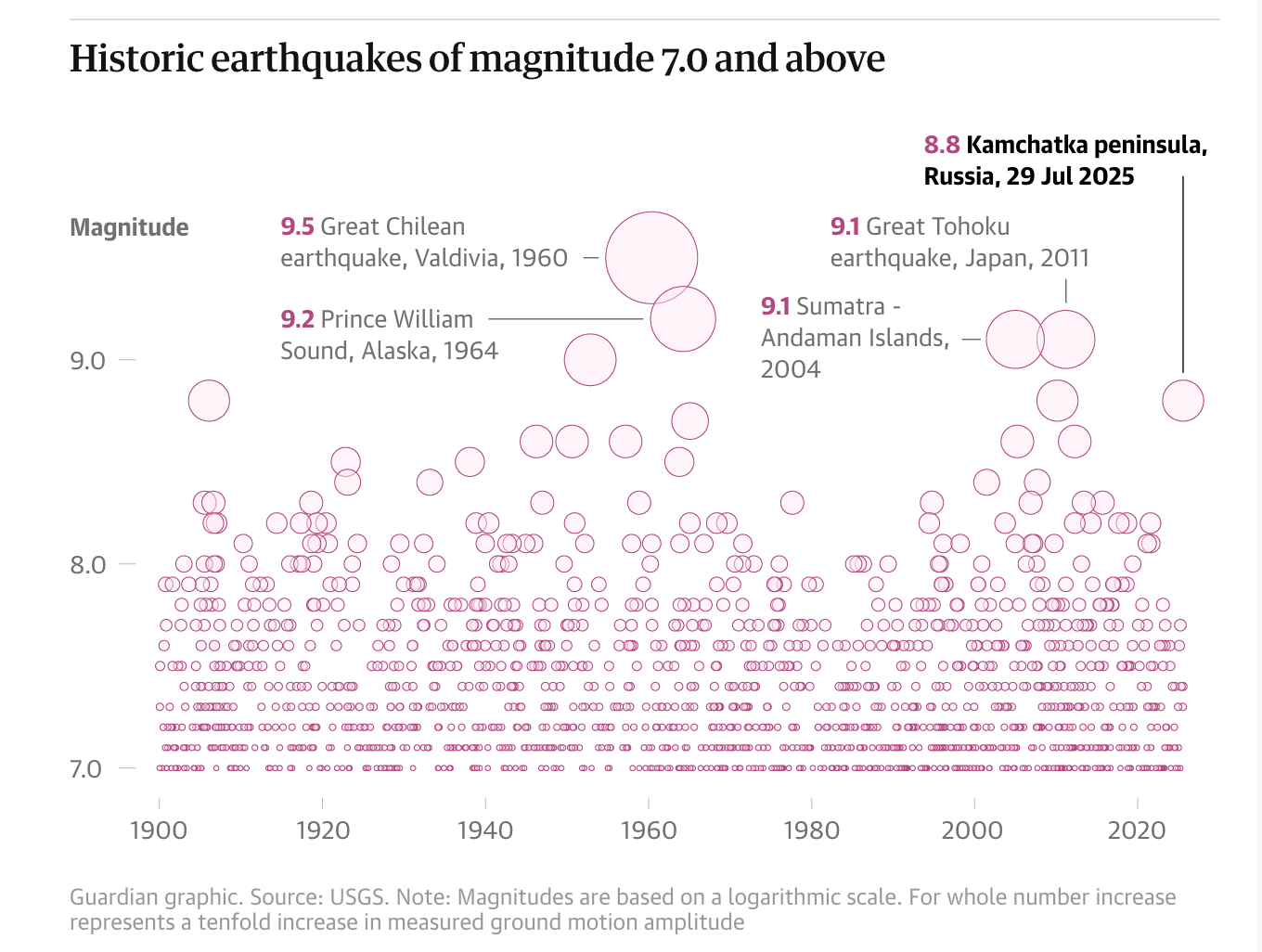
First the 8.8 Earthquake
A powerful magnitude 8.8 earthquake off Russia’s far eastern Kamchatka Peninsula triggered tsunami waves of up to 5 metres (16 feet) nearby and sparked evacuation orders as far away as Hawaii and across the Pacific on Wednesday.
Historic Earthquakes Shows this 8.8 is a Big One – Image: Guardian Graphic
The tsunami wave swept away buildings on the coastal area of Severo-Kurilsk, the main settlement on Russia’s Kuril Islands in the Pacific. The regional authorities declared a state of emergency but mayor Alexander Ovsyannikov said all residents were safe and had been evacuated. The country’s emergency ministry said parts of the town had been flooded. The tsunami alert was later cancelled in Russia’s Severo-Kurilsk, state-owned Tass news agency reports.
More than two million people were evacuated in Japan, including workers at the stricken Fukushima nuclear plant in northeast Japan, who were evacuated, with plant operator Tepco saying that “no abnormality” had been observed at the site.
The International Atomic Energy Agency (IAEA) said initial reports indicate no safety impact for nuclear power plants along the Pacific Coast, Reuters reports
Japan later lifted all tsunami warnings, downgrading them to a tsunami advisory, Reuters reports, citing the Japan Meteorological Agency.
Broadcaster Asahi TV reported a 58-year-old woman died when her car fell off a cliff while she was evacuating in central Japan’s Mie prefecture, Reuters reports.
Hawaii downgraded its tsunami warning to advisory and lifted its evacuation order with people able to return to their homes.
The Klyuchevskoy volcano on the Kamchatka peninsula in Russia’s far east has started erupting after Wednesday’s powerful earthquake in the Pacific, Russian state news agency RIA reported, according to Reuters.
Authorities in Central and South America have ordered evacuations and issued tsunami warnings.
Tsunami waves began hitting the Marquesas Islands in French Polynesia early on Wednesday, but the waves were forecast to be smaller than initially feared, local authorities said.
The National Tsunami Warning Centre (NTWC) said a tsunami advisory has been cancelled for coastal areas of south Alaska, the Alaska peninsula and the Aleutian Islands from Chignik Bay, Alaska to the Samalga Pass.
The NTWC said a tsunami advisory has been cancelled for the coastal areas of British Columbia from the Washington/British Columbia border to the British Columbia/Alaska border. A tsunami advisory is now cancelled for American Samoa, Reuters reports.
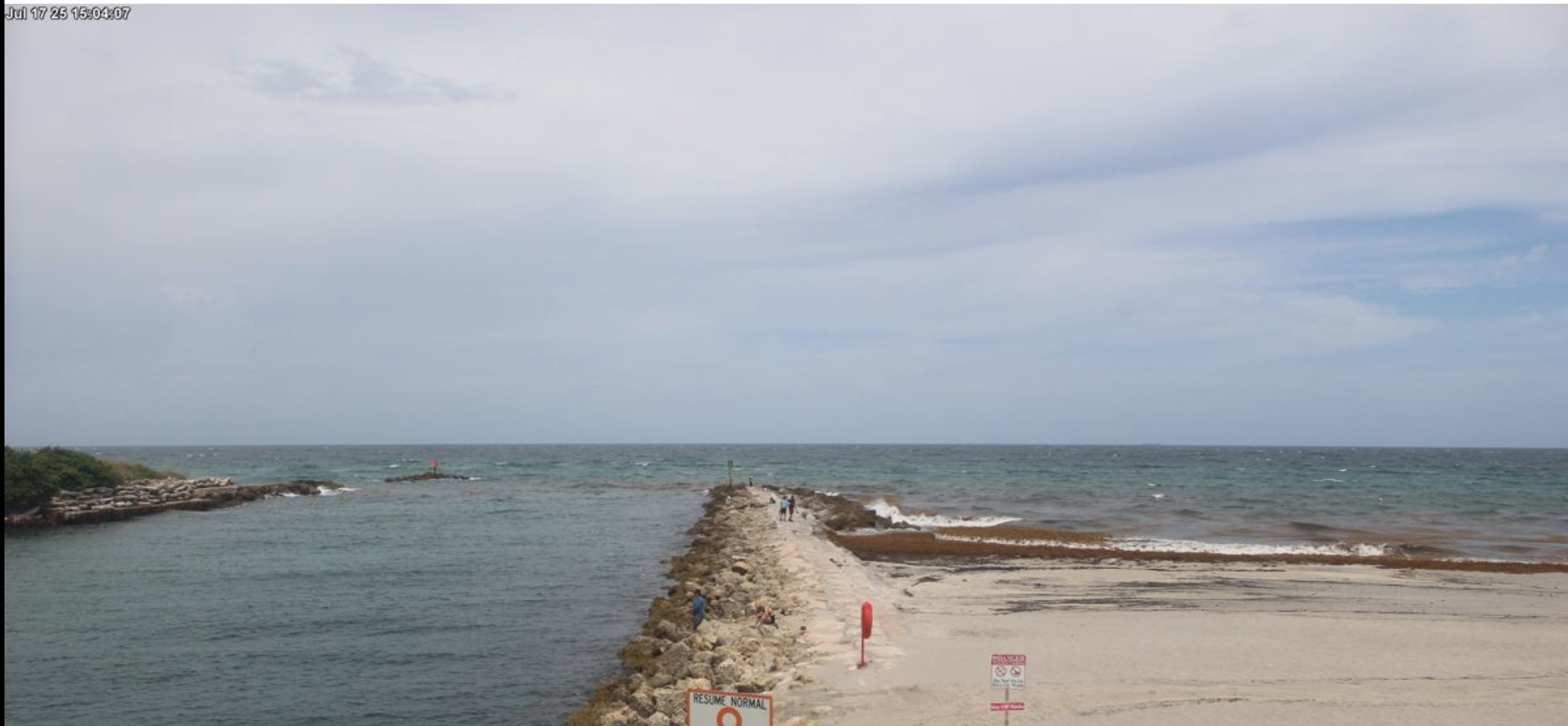
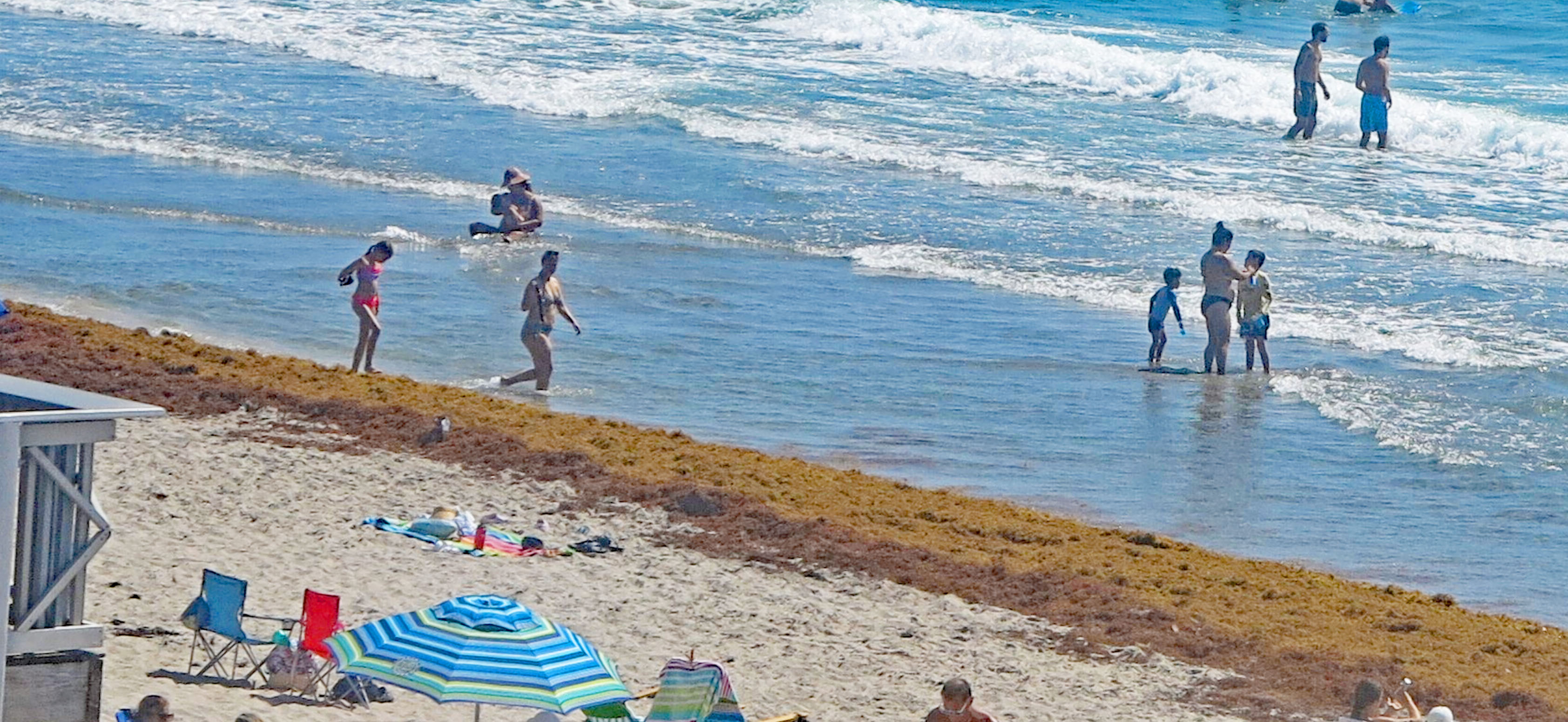
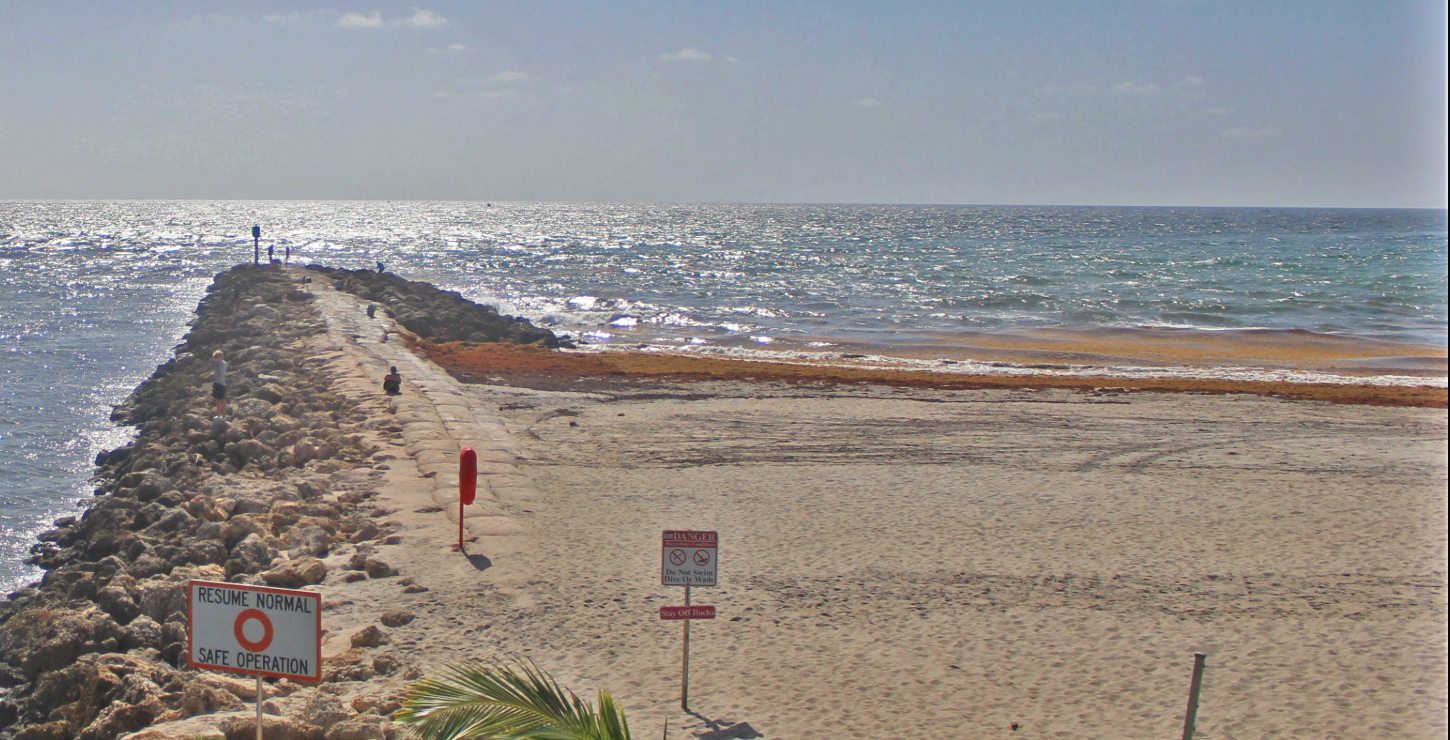
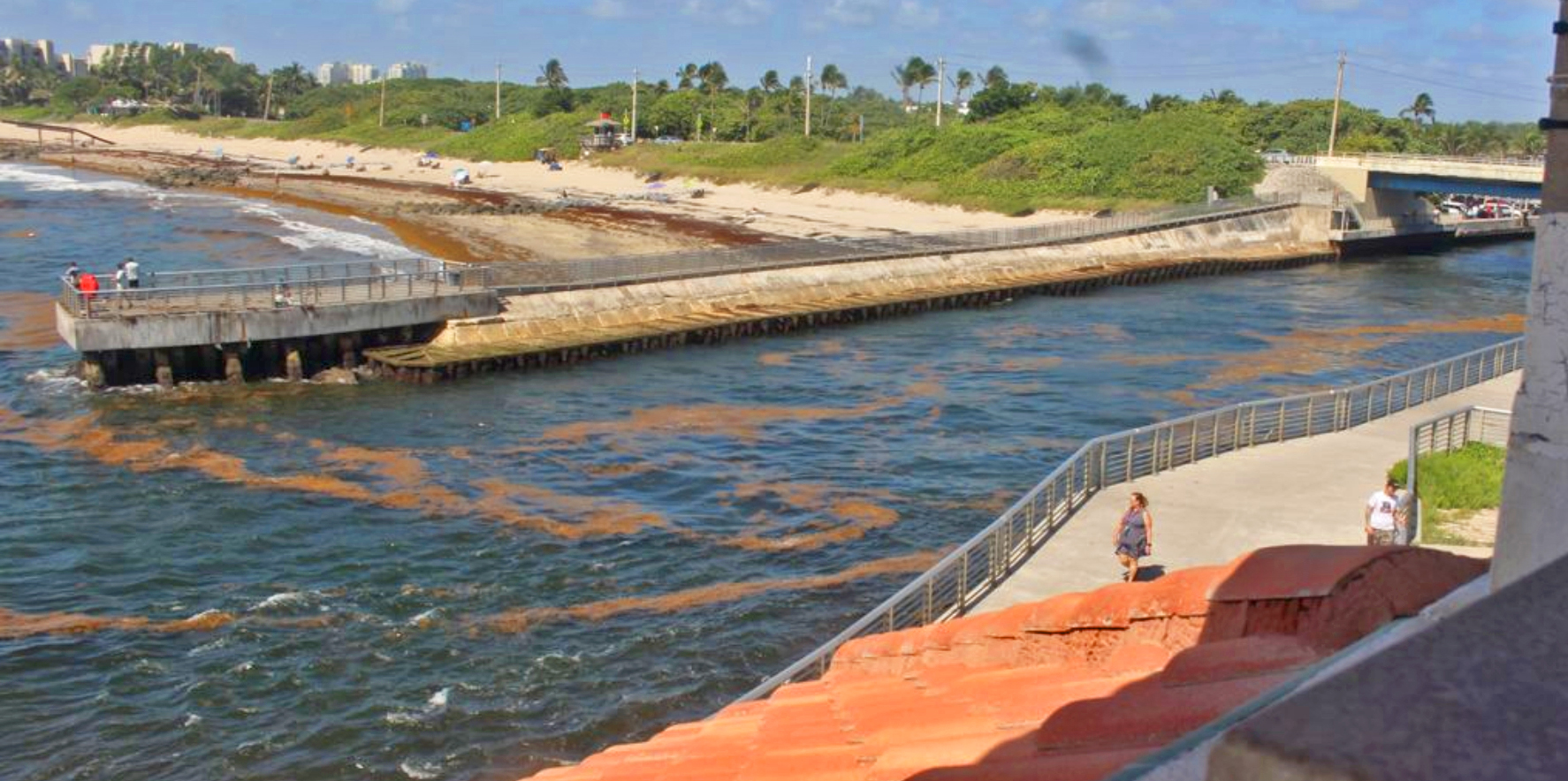
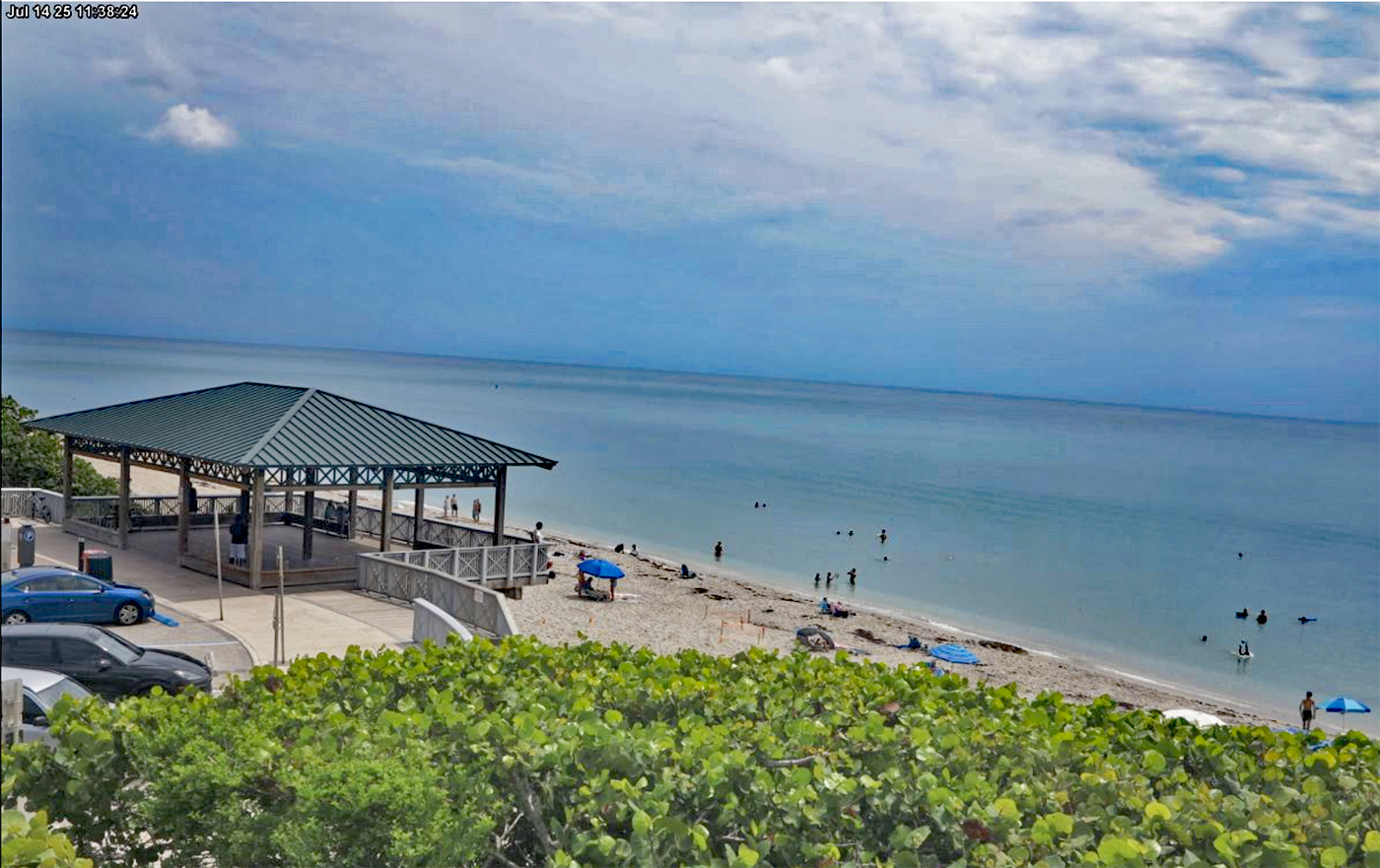
Seaweed is invading South Florida beaches again this summer. From Miami Beach to Ft. Pierce, Florida, the sargassum bloom has impacted beaches with up to shin deep stinky weed.
Click images to enlarge:
Boca Raton InletPalmetto Park Rd. Boca RatonBoca Raton InletBoynton Inlet
It’s caused by fertilizer runoff and pollution in the Atlantic Ocean and greatly impacts the Caribbean and Florida beaches. Since I reported on the first major Sargassum Seaweed bloom over 10 years ago, we’ve had a couple times that was almost this bad. Hopefully it won’t get as bad as the first:
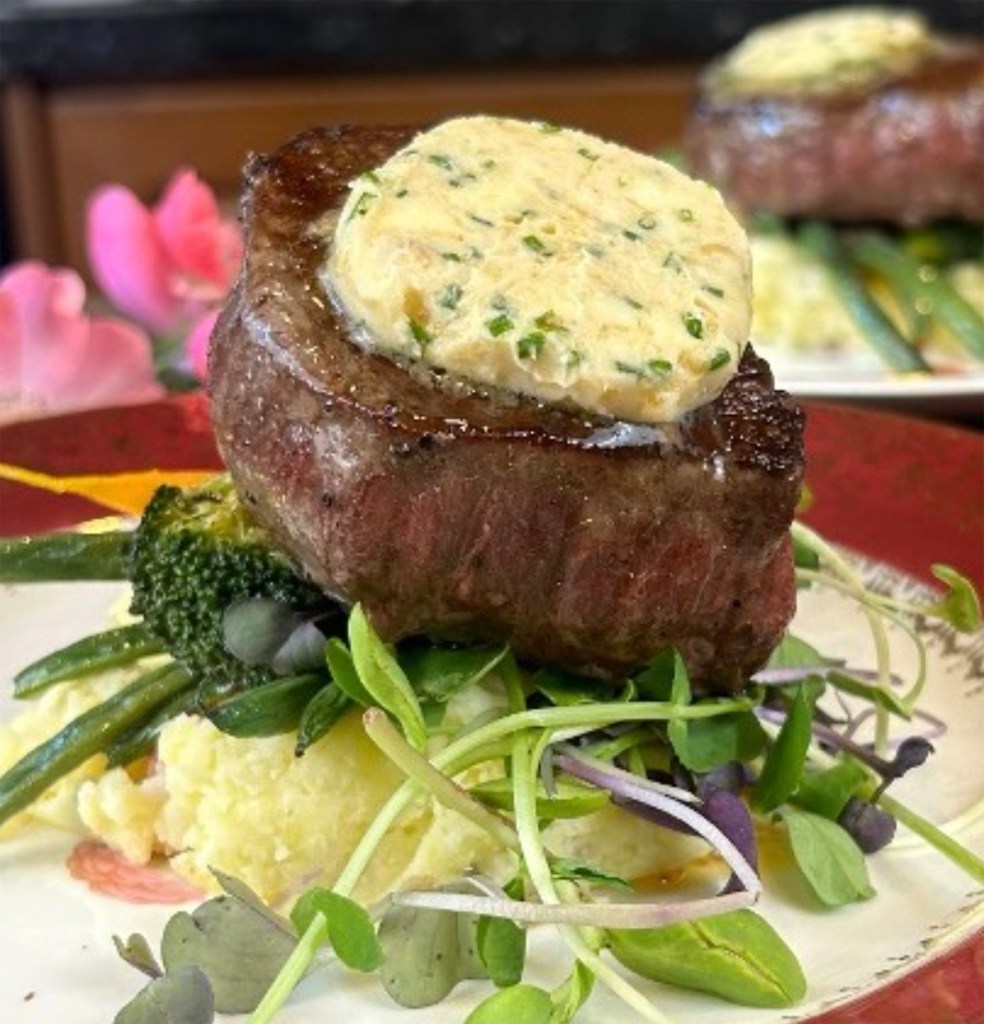
Wagyu beef in the USA is highly regarded for its exceptional quality, driven by a combination of Japanese genetics, American farming practices, and consumer demand for premium beef.
Here’s why it stands out:
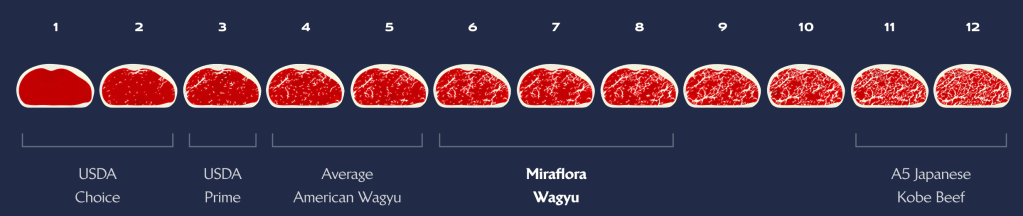
Marbling
Fat Quality
Tenderness
Flavor
Breeding and Crossbreeding
American Rearing Practices
Accessibility and Variety
Grading and Standards
The combination of Japanese genetics with American scale and innovation results in a premium product that’s luxurious yet more accessible than imported Japanese Wagyu.
Today, Federal Trade Commission (FTC) Chairman Andrew N. Ferguson issued the following statement proclaiming July 2025 as “Made in the USA” Month:
“In honor of our nation’s independence, the Federal Trade Commission has designated July as ‘Made in the USA’ month. As Chairman of the FTC, I am responsible for enforcing laws that prohibit companies from making false or unsubstantiated claims that a product is ‘Made in the USA.’ It is important to protect Americans from deceptive advertising, and also important because it provides consumers with confidence that when they buy something that says ‘Made in the USA’ they are actually supporting American workers, American manufacturers, and American communities.”
So when your driverless car cuts someone off, will the road rage be directed at you… the passenger?
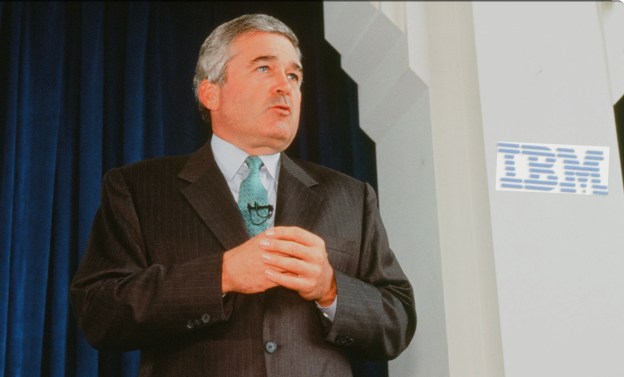
Today’s top story, from reporter Anabelle Nicoud, IBM Think Newsletter
If you’ve ridden in a Waymo recently and found your driverless taxi to be more assertive and, dare we say, more human on the road, you’re not imagining things. The Alphabet-owned company, which has been navigating passengers in San Francisco, Austin, Phoenix and LA, is now exhibiting very human-like traits, according to the San Francisco Chronicle. No drunk driving or road rage, of course, but under the right circumstances, that white Jaguar might indulge in a honk or two. As it turns out, a more commanding Waymo yielded safer rides, the Chronicle reported. “Being an assertive driver means that you’re more predictable, that you blend into the environment, that you do things that you expect other humans on the road to do,” David Margines, Waymo’s Director of Product Management, said in an interview with the paper. “It’s a very interesting kind of paradox here: we need less perfection to really fit social norms,” said Kaoutar El Maghraoui, a Principal Research Scientist at IBM, in this week’s Mixture of Experts. According to the company’s data, Waymo is safer than human drivers. And yet, part of being so might just be by mimicking our bad, albeit predictable, habits, favoring social compatibility over algorithmic perfection. Uncanny valley, you say? Technically, Waymos could be enjoying more free-form decision-making, thinks Gabe Goodhart, Chief Architect of AI Open Innovation at IBM. He likened older, rule-based vehicles to the chatbots of yore—pre-generative AI systems beholden to clunky decision trees. But as autonomous vehicles adopt more human-like behavior—and choice—drivers may feel more comfortable because the cars better adhere to their expectations. “If we start applying this more flexible way of adapting [the car’s] behavior to the environment … it may make the vehicle fit in a whole lot better,” he said on the podcast. As more driverless cars hit the streets of American cities—from Zoox to Tesla’s newly launched robotaxis—it will be fascinating to watch how they adapt to robot driving. Could it pave the way to more collaboration between tech giants? “A lot of open-source consortiums have started because of similar problems,” noted Ann Funai, CIO and VP of Business Platform Transformation at IBM. “There’s this area where you need common understanding, common knowledge, common engagement. Maybe that means agreeing to use the same open-source component for training, so we’re not all crashing into each other.” Listen to the full episode on YouTube, Spotify and Apple Podcasts.