Category Archives: Oceanography

Shark Attacks in U.S. Total 28 So Far This Year

Unprovoked bites, while rare, have been raising the alarm for some beachgoers this summer
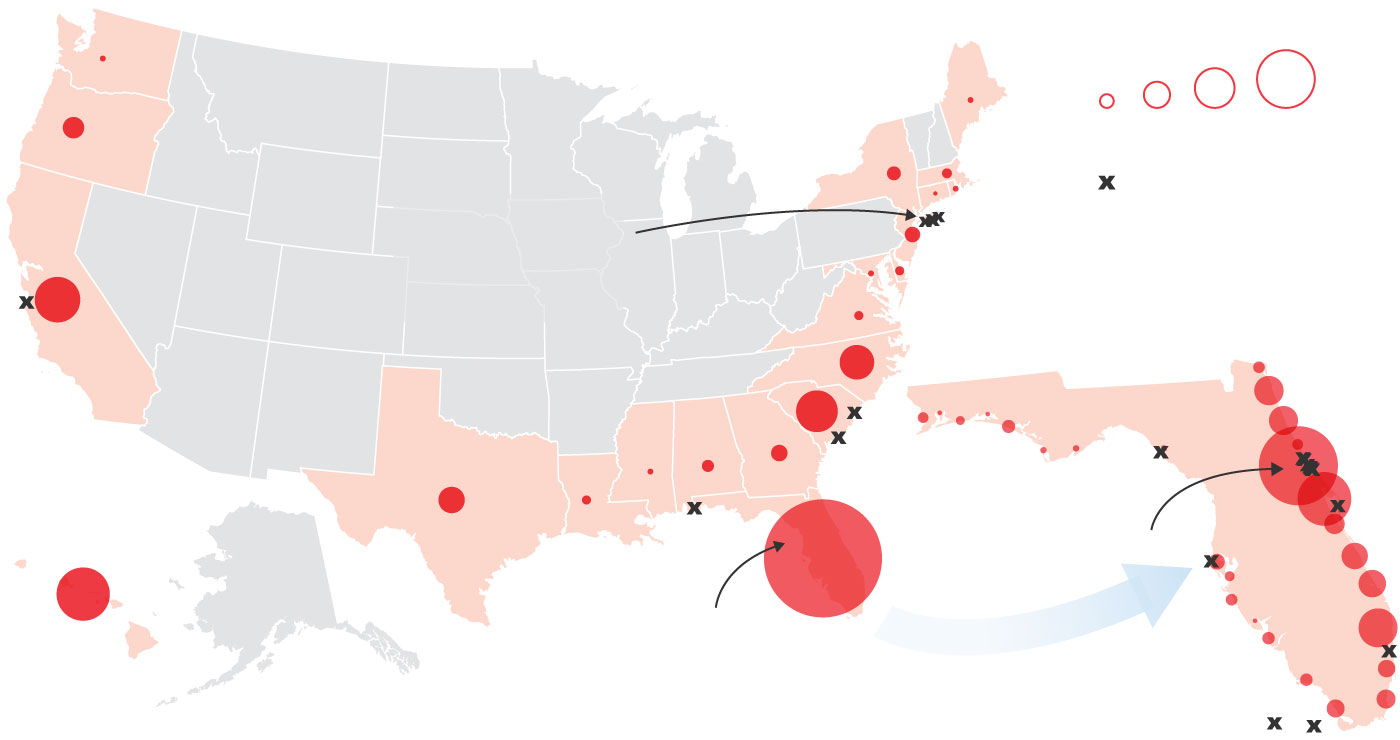
Sources: Florida Museum of Natural History (1837-2021); trackingsharks.com (2022 data from media reports)

Brownie Bytes Take: As a surfer with 40 years experience in Florida, New Smyrna Beach has the most shark bites and sharks in the surfline than anywhere else. I’ve been bumped, chased, and seen others bitten there in 3 ft. of water right along the shore. Even though the blacktip shark migration during the late Fall and Winter happens in S. Florida with 10,000 sharks per mile per day cruising near the coast, they rarely bother anyone.

– R. Michael Brown

News of shark attacks off the coast of New York’s Long Island this summer raised the alarm for many beachgoers, surfers and divers. Shark bites, although rare compared with the number of people who get into the ocean, still happen in coastal areas of the U.S.

According to Tracking Sharks, a website that specializes in reporting shark attacks and bites across the globe, there have been 28 shark attacks in the U.S. in 2022 as of Aug. 1. Two of the attacks were provoked and none was fatal.

There were 47 confirmed cases in 2021, returning to prepandemic levels, and 33 in 2020.

Unprovoked shark bites are the most common incidents, according to the Florida Museum of Natural History’s International Shark Attack Files, a global compilation of all known shark attacks. Florida leads the U.S. in shark attacks, followed by Hawaii, California and South Carolina.

The most frequent type of unprovoked bites are so-called “hit and run” attacks, the museum says. These normally happen in the surf zones as coastal shark species follow schools of fish close to shore. There, sharks can encounter swimmers and surfers—and sometimes confuse people with their usual prey. The sharks don’t return after inflicting a single bite or slash wound.

Shark attacks and deaths from shark bites are extremely rare, experts say. The yearly average of unprovoked shark bites globally is 70, resulting in about 5 deaths, data from the Florida Museum of Natural History shows.

See More [Wall Street Journal] Subscription May Be Required

Feeding Frenzy

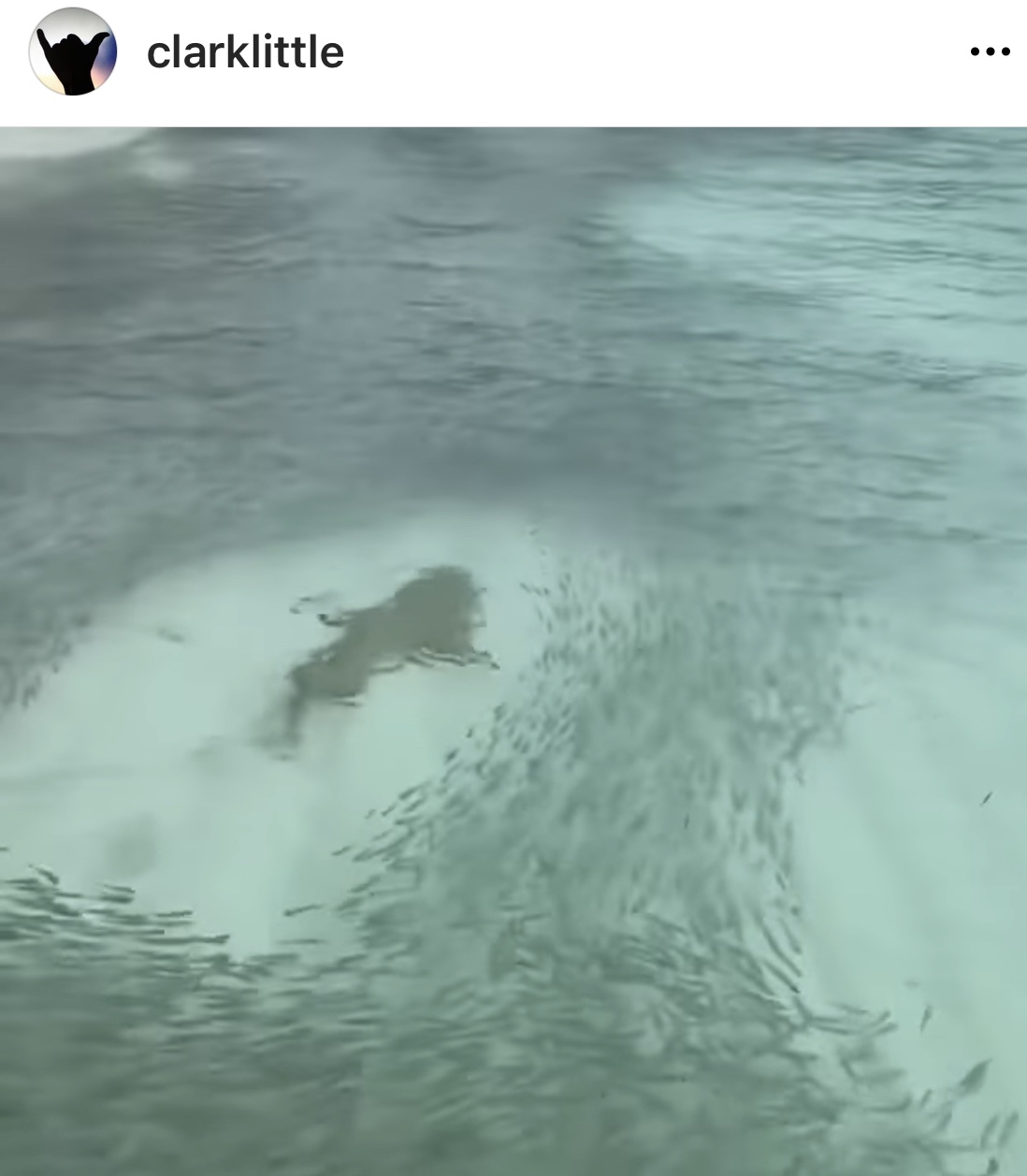
Watch this shark chase fish and beach himself. Click the Instagram link below.

www.instagram.com/p/CMu134NBxEw/

Where Are Those Shoes You Ordered? Check the Ocean Floor | WIRED

More containers have fallen off ships in the past four months than are typically lost in a year. Blame heavy traffic and rolling waves.
SINCE THE END of November, this is some of what has sunk to the bottom of the Pacific Ocean: vacuum cleaners; Kate Spade accessories; at least $150,000 of frozen shrimp; and three shipping containers full of children’s clothes. “If anybody has investments in deep-sea salvage, there’s some beautiful product down there,” Richard Westenberger, chief financial officer of the children’s clothing brand Carter’s told a conference recently. 

You can blame the weather, a surge in US imports tied to the pandemic, or a phenomenon known as parametric rolling.

All told, at least 2,980 containers have fallen off cargo ships in the Pacific since November, in at least six separate incidents. That’s more than twice the number of containers lost annually between 2008 and 2019, according to the World Shipping Council.

— Read on www.wired.com/story/where-shoes-ordered-check-ocean-floor/

Sustainable Deepwater Fish Farms Breed ‘Sushi-Grade Fish’ and Could Replenish Depleted Wild Stocks

Sustainable deepwater fish farms could propel the fishing industry into a new direction and in an “environmentally responsible manner” by replenishing depleted wild stocks that have been affected by overfishing and pollution.
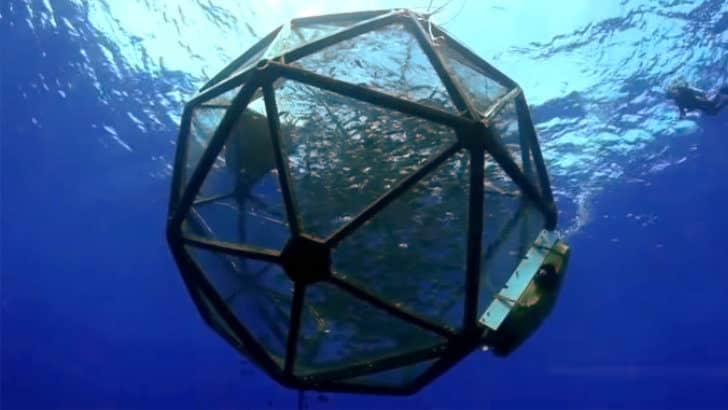
Marine biologist Neil Sims is helping to spearhead this initiative with Hawaii-based Ocean Era (formerly Kampachi Farms), a start-up that’s established offshore.

Ocean Era breeds “sushi-grade fish” in pens 230 feet and almost 4 miles (70 meters deep, 6 km) from the coast. Currently, aquaculture (the farming of fish, seafood and aquatic plants) already accounts for about half the fish eaten worldwide. However, these fish farms are typically located in coastal waters where the fecal waste produced by the fish, and chemicals used in the farming process potentially impacts the environment.
— Read on www.techthatmatters.com/these-sustainable-deepwater-fish-farms-breed-sushi-grade-fish-and-could-replenish-depleted-wild-stocks/

Team Creates Accurate Great Hammerhead 3D Model and Brings the Shark Nemesis to Life

nemesis-3d-model-mesh

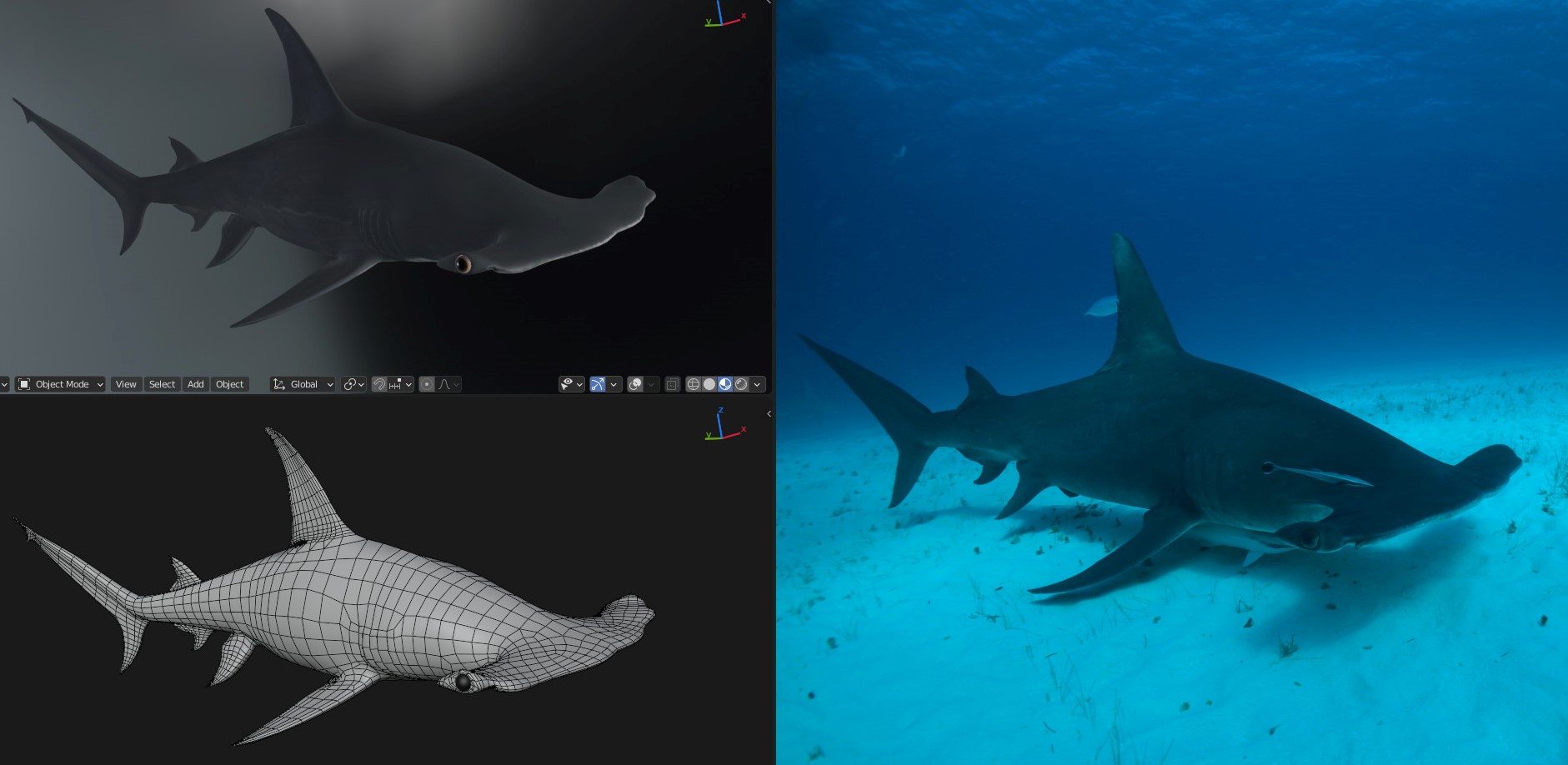
Meet Nemesis, one of the many endangered great hammerhead sharks that spends her winters in Bimini, The Bahamas. This interactive 3D project was a close collaboration between Angela Rosenberg, President of ANGARI Foundation and Captain of R/V ANGARI, Duncan Irschick, Professor at UMass Amherst and Director of Digital Life with CG artist Jeremy Bot and Casey Sapp, CEO of VRTUL.

Footage was collected during R/V ANGARI’s Expedition 33 in Bimini with Casey Sapp’s custom underwater multi-camera system to collect views of Nemesis swimming from all angles. The videos provided Digital Life modelers with the necessary imagery and data to create a high resolution and accurate animated 3D model.

The completed interactive 3D shark model is part of Digital Life’s “ark” of living organisms, which serves as an invaluable resource for educators, scientists and conservationists.

This work would not have been possible without the financial and field support of several donors.

See More [ANGARI News]

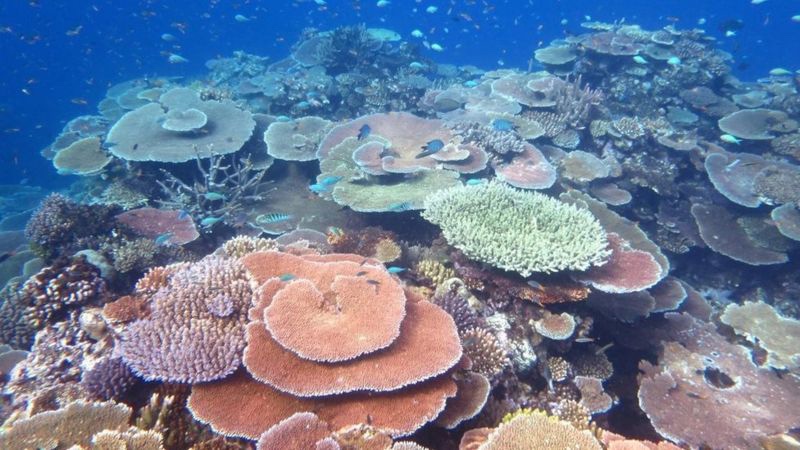
Great Barrier Reef showing small signs of recovery says new report – ANGARI Foundation

The world’s most famous coral reef is showing signs of recovery.

The Great Barrier Reef is a huge area of living coral off the coast of Australia, which is home to thousands of species of plants and animals.

It’s so big it can even be seen from space, and is protected with World Heritage status for its “enormous scientific and intrinsic importance”.
— Read on angari.org/great-barrier-reef-showing-small-signs-of-recovery-says-new-report/

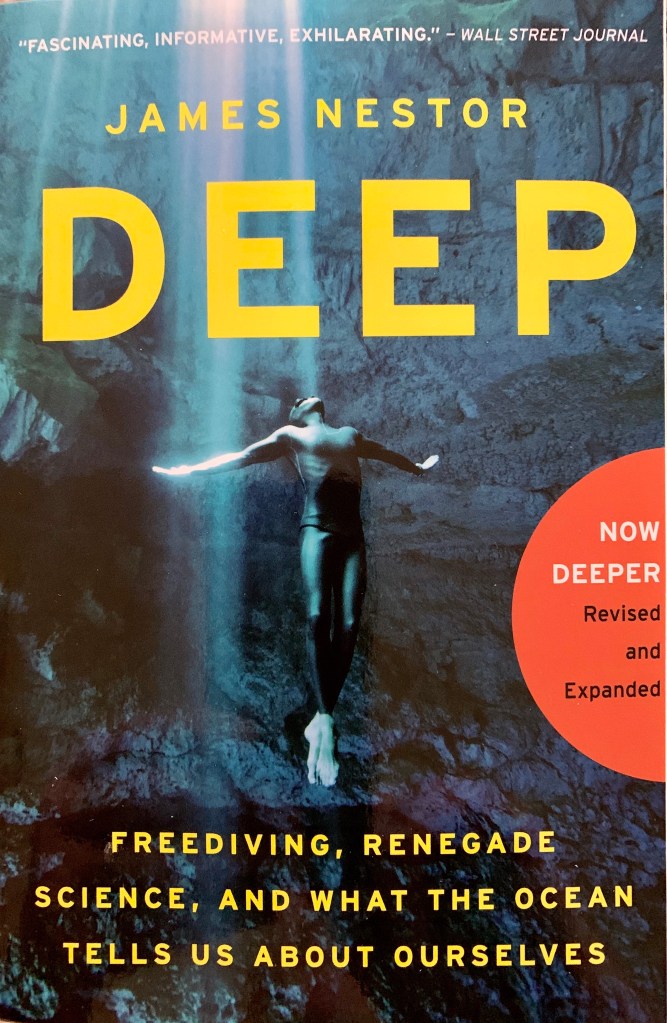
Deep

Started reading “Deep.” A birthday present from Patrick Brown

It’s stories about freediving: No fins, scuba, nothing. Not 20’ deep either. Hundreds! Their bodies actually change from the pressure. Stay tuned for updates as I’m reading.

“They freedive because it’s the most direct and intimate way to connect with the ocean. During that three minutes beneath the surface (the average time it takes to dive a few hundred feet), the body bears only a passing resemblance to its terrestrial form and function. The ocean changes us physically, and psychically.”

Excerpt From

Deep

James Nestor

https://books.apple.com/us/book/deep/id678303066