
When you empower under-performing toxic people because they are loyal to you, you erode the respect of your team, disempower your healthy high performers (who will leave) and undermined the mission.
When you empower under-performing toxic people because they are loyal to you, you erode the respect of your team, disempower your healthy high performers (who will leave) and undermined the mission.
By R. Michael Brown, Marketing Consultant, Freelance Writer & Military Brat

April was designated as a recognition month for children of U.S. military service members that grew up in the military, moving from base to base, all over the world. Military brats are different from their civilian counterparts.
Imagine:
Anyone that says that the children don’t serve in the military, along with their parents, don’t know what they are talking about. These kids also sacrifice for their country as their parents serve.
Over 2 million US military brat children have had a parent deployed since 9/11. Half of them have experienced two or more deployments.

The term “military brat” is a badge of pride worn by generations of kids who traveled the world with their parents, moving into adulthood with the knowledge that they have the strength to handle anything. They are fiercely patriotic.
Military brats naturally develop organic strategies and tactics to deal with their situation. It makes them:
Brave
Resilient
Adaptable
Tenacious
A BRAT.
So this month I’ll be honoring the military brat. Hope you follow along and honor them too.
Please share this post…
BY CAROLINE DELBERT

It’s powered by nuclear waste, but still safe for humans.
In two years, one startup says you’ll be able to buy its diamond nuclear-powered battery. Even cooler: The battery will last for up to 28,000 years.
We know—that sounds wild. The potential game-changer comes from the U.S. startup NDB, which stands for Nano Diamond Battery, a “high-power diamond-based alpha, beta, and neutron voltaic battery” its research scientist founders say can give devices “life-long and green energy.”
Could NDB’s bold claim actually become a reality?
To build its nano diamond battery, NDB combines radioactive isotopes from nuclear waste with layers of paneled nano diamonds. Diamonds are a rare thing to begin with, but they are extremely good heat conductance makes them even more unusual in the realm of construction of devices. Micro-sized single crystal diamonds move heat away from the radioactive isotope materials so quickly that the transaction generates electricity.
Scientists presented the first known diamond nuclear voltaic (DNV) battery concept using waste graphite from a graphite-cooled nuclear reactor. The radioactively contaminated graphite could last thousands of years, with the heat-conducting diamonds pulling that energy away into electricity alongside it the whole time. NDB’s concept is the same, but with layers and layers of the diamond and radioactive waste panels to equal higher total amounts of energy.
You’re probably wondering what the catch is.

Painting landscapes is how I started. At first I was inspired by my world-wide travel for my job.
But since I started painting, inspiration comes from so many unique places. I’ve learned that creating art on a regular basis causes you to see things differently.
 In 2017, Tim Davidson was given 60 days to move out of his family’s vacation home in Florida.
Davidson had been living in the vacation home in Sarasota, Florida, for about a year when his family decided it was finally time for him to get a place of his own.
Initially, Davidson considered buying a traditional-size home.
While he was house hunting, he realized that a large home meant unused space, unnecessary belongings, more taxes, and more money.
Davidson just wanted the necessities: a bedroom, living area, small kitchen, and access to the outdoors.
A tiny home felt like a perfect solution.
BrownieBytes has a question: If he’s on an island, why didn’t he position the houses so he has a water view? Very odd fellow…
— Read on www.insider.com/man-lives-two-tiny-homes-private-island-florida-2021-3
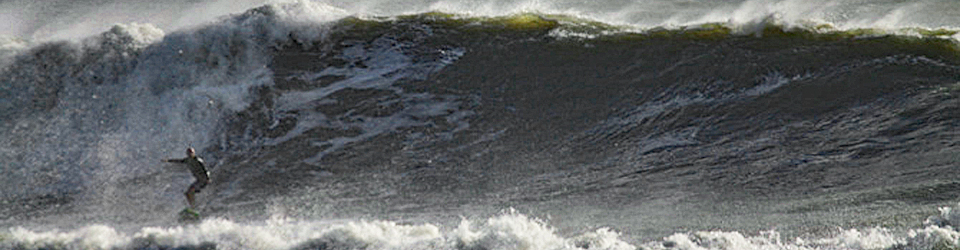
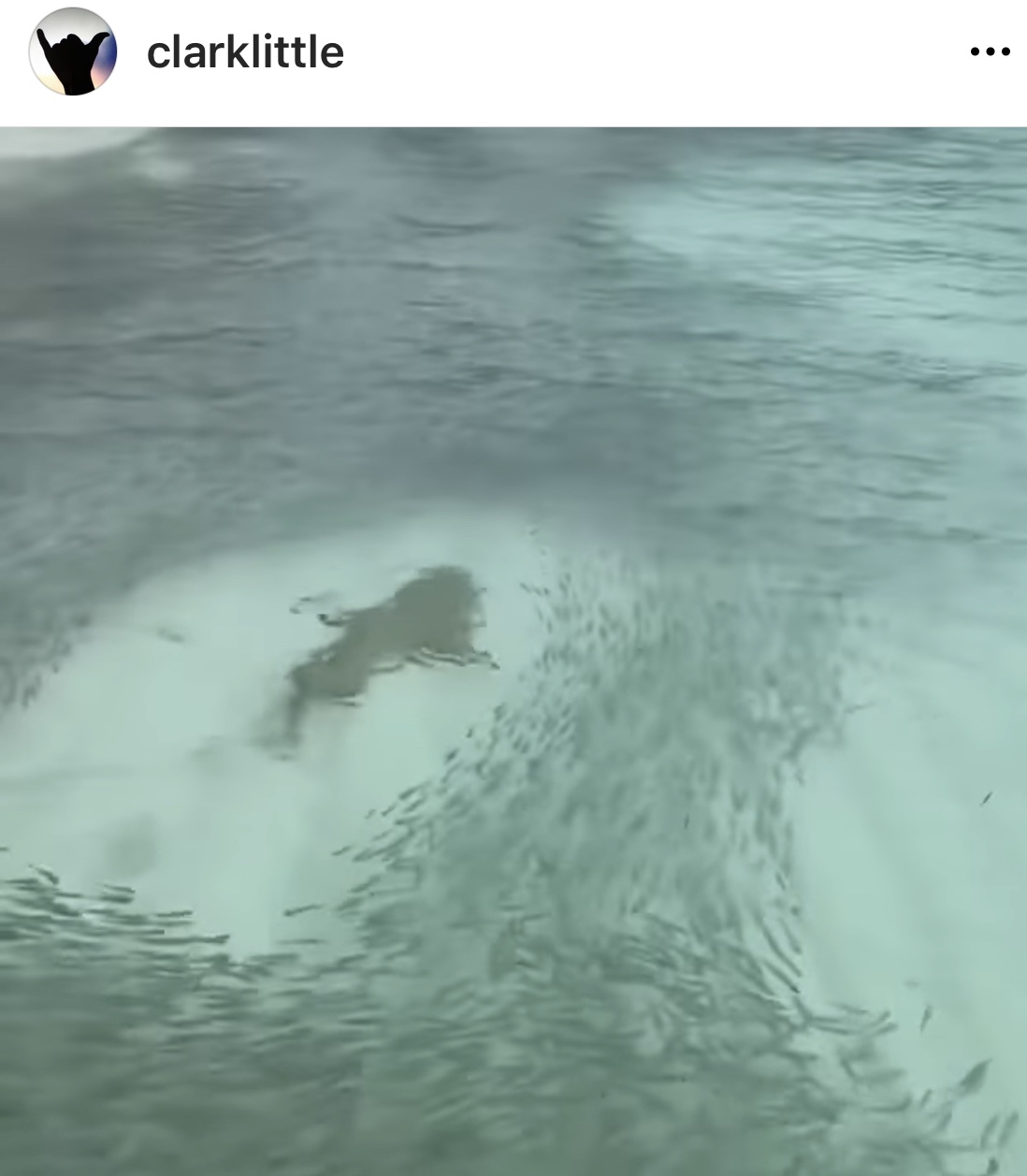
Watch this shark chase fish and beach himself. Click the Instagram link below.
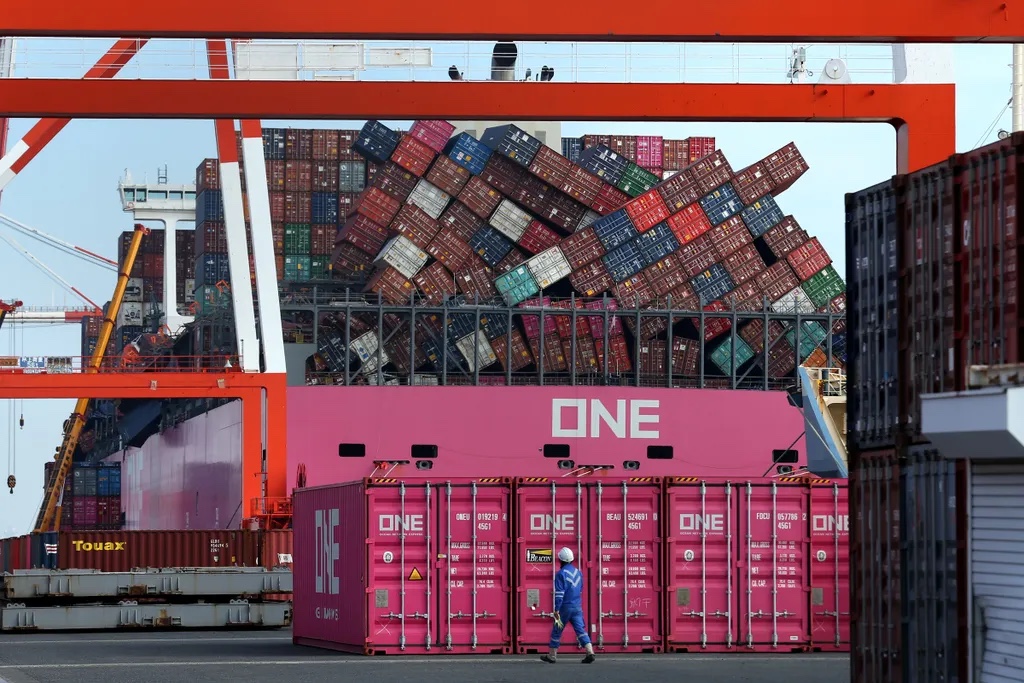 More containers have fallen off ships in the past four months than are typically lost in a year. Blame heavy traffic and rolling waves.
SINCE THE END of November, this is some of what has sunk to the bottom of the Pacific Ocean: vacuum cleaners; Kate Spade accessories; at least $150,000 of frozen shrimp; and three shipping containers full of children’s clothes. “If anybody has investments in deep-sea salvage, there’s some beautiful product down there,” Richard Westenberger, chief financial officer of the children’s clothing brand Carter’s told a conference recently.
You can blame the weather, a surge in US imports tied to the pandemic, or a phenomenon known as parametric rolling.
All told, at least 2,980 containers have fallen off cargo ships in the Pacific since November, in at least six separate incidents. That’s more than twice the number of containers lost annually between 2008 and 2019, according to the World Shipping Council.
— Read on www.wired.com/story/where-shoes-ordered-check-ocean-floor/
 Brownie Bytes